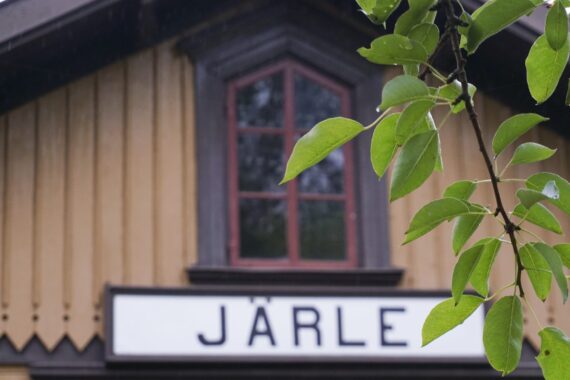
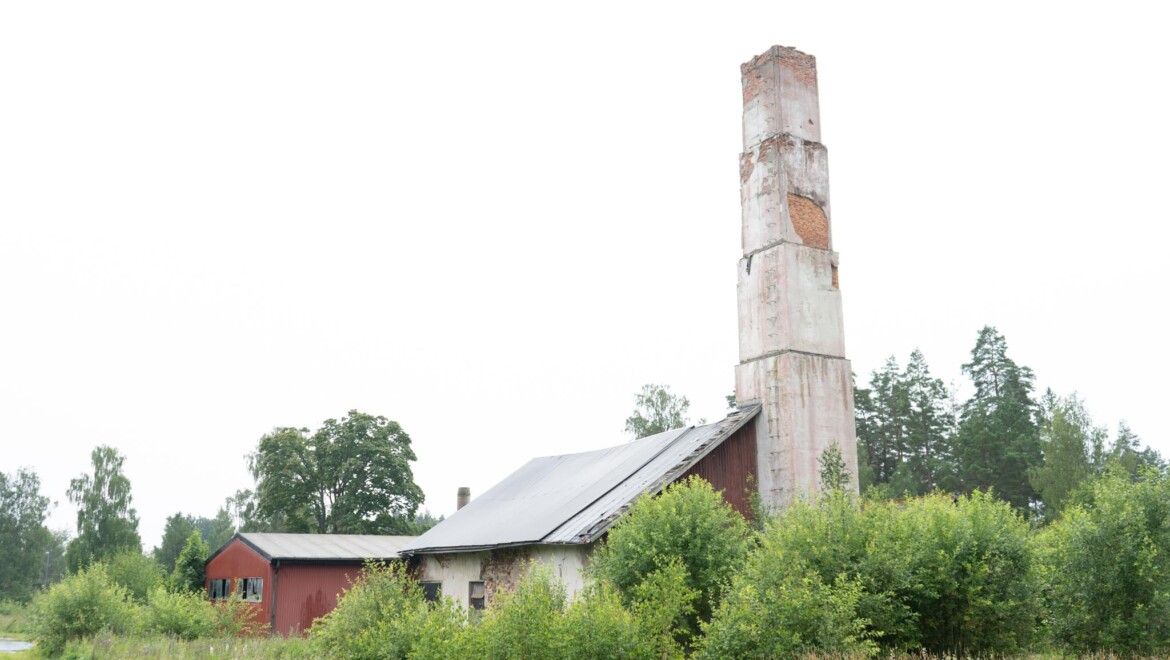
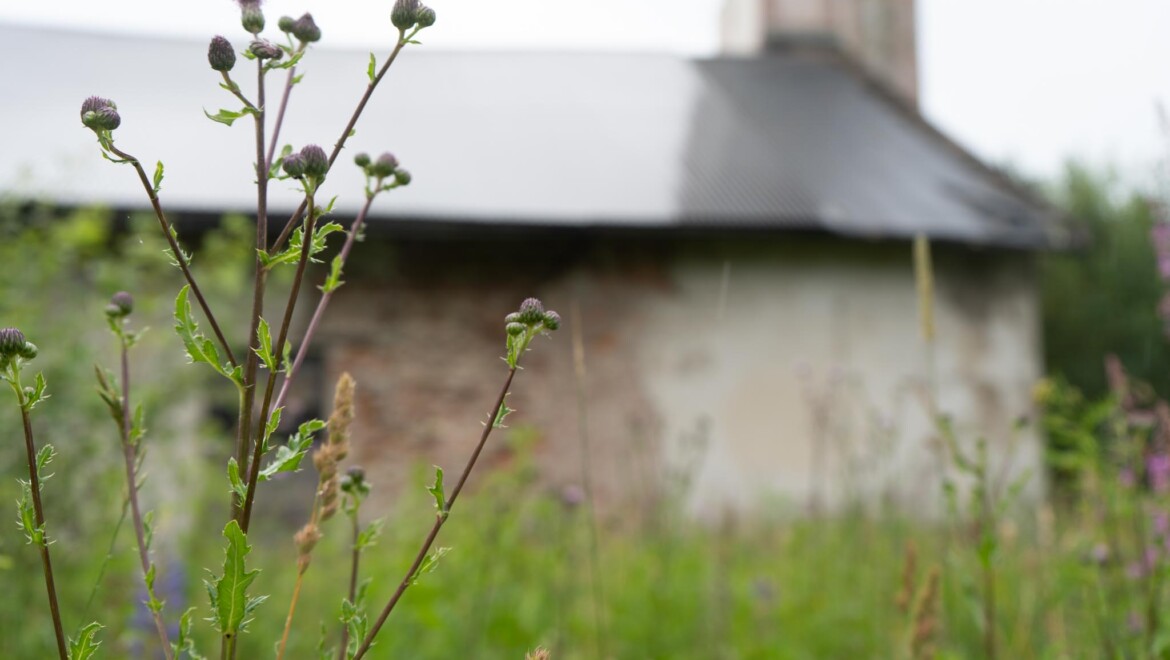
Björnhammaren was once a thriving village in the “Folkhemmet” era. About 100 people worked at the mill, drawing iron wire that was turned into nails at Gryt’s factory a few kilometers away. In the center of the village stood Gullans ICA grocery store, and there was even a private spur track branching off from the railroad line between Örebro and Norrköping.
From a family idyll to empty houses in Björnhammaren
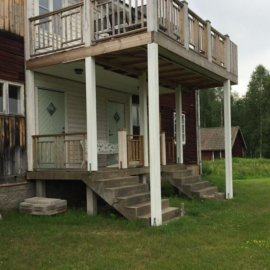
The old workers’ housing soon proved insufficient for the growing village. In the 1960s, the mill had an entire street built with ten yellow houses to attract families with children. The street was named Björnhammars ågata, but it became known locally as “Happy Street.” A street that quickly filled with life and play. And perhaps also with song.
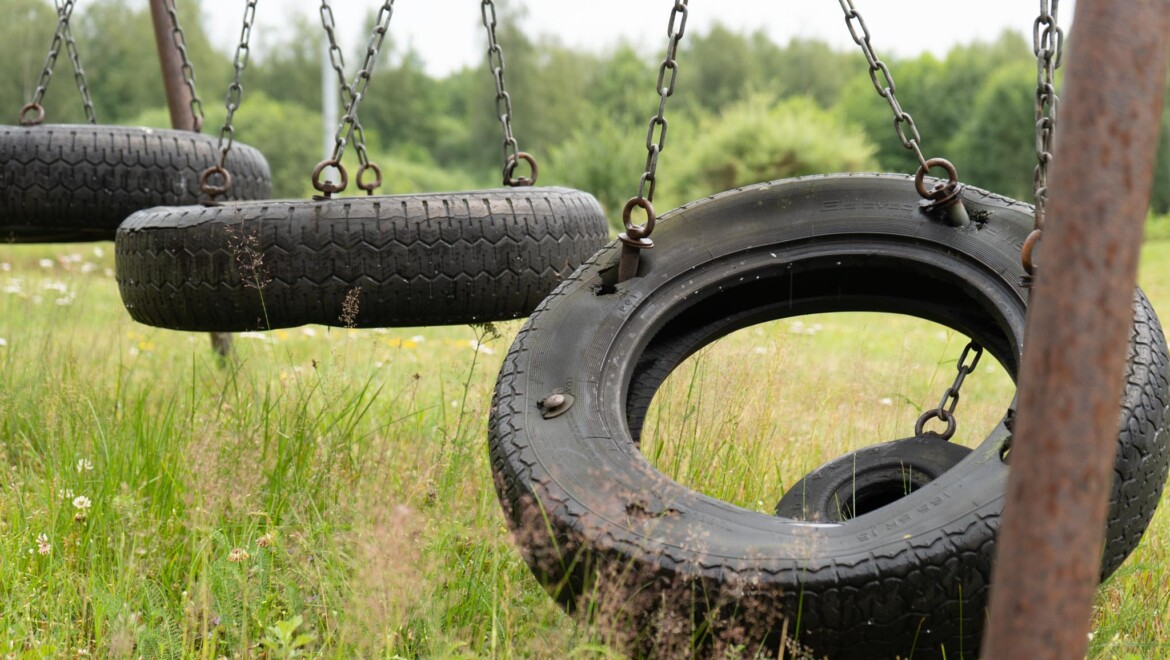
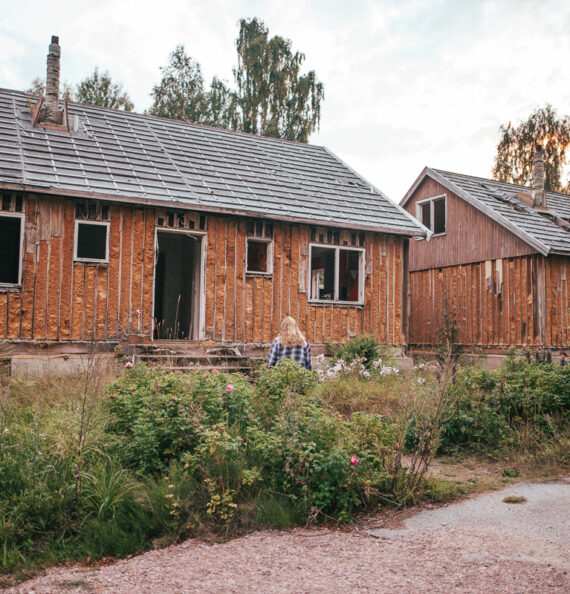
But the economic restructuring hit Björnhammaren hard. Nail production required fewer and fewer workers, and one by one, the houses in the village stood empty. No new tenants were in sight. The sounds of play and song on Lyckliga Street grew increasingly quiet.
There were no new tenants in sight. The playing and singing on Happy Street gradually died down.
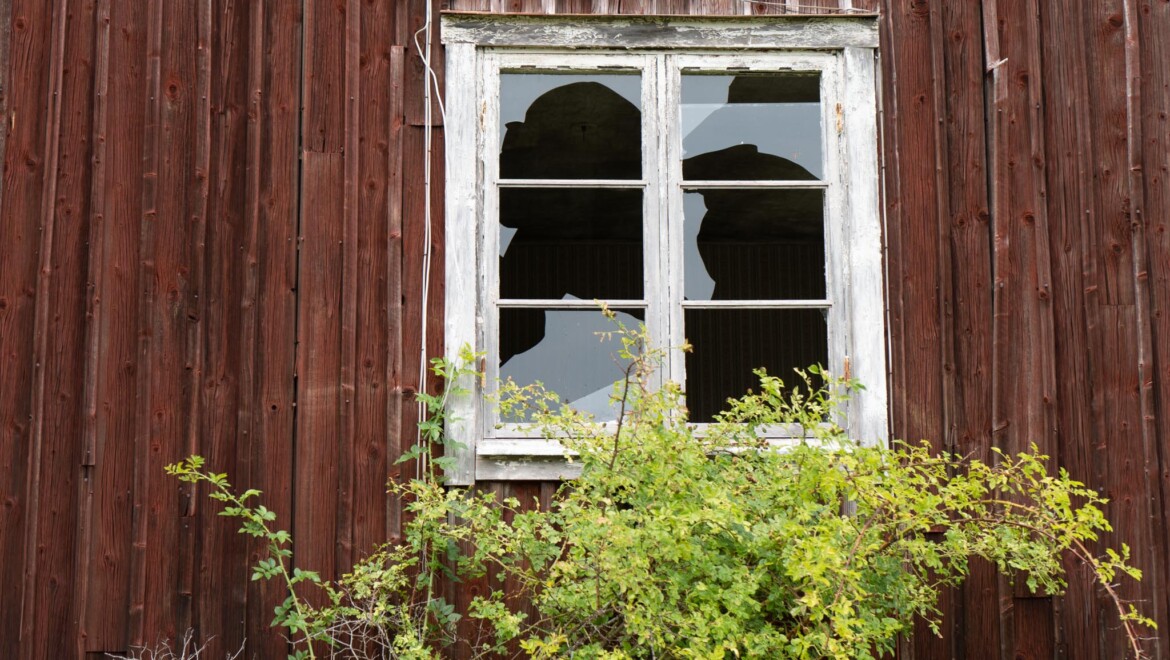
In 2008, the last door was locked for good. Six years later, the wire factory was nothing but a memory. The empty buildings were left to their fate. Word of the abandoned street spread, and curious visitors made their way to the village. Many just wanted to experience the almost ghostly atmosphere. Others had darker intentions. The buildings were vandalized and furnishings were stolen.
Now Björnhammaren is looking ahead
After the nail factory went bankrupt, the story of Lyckliga gatan came to an end. The 1960s-era houses were demolished, and most of the other houses in the village were sold to private owners. After serving as a refugee camp for a few years, many of the older buildings are now being renovated to serve as permanent residences and vacation homes. Perhaps Björnhammaren is about to experience a new spring?
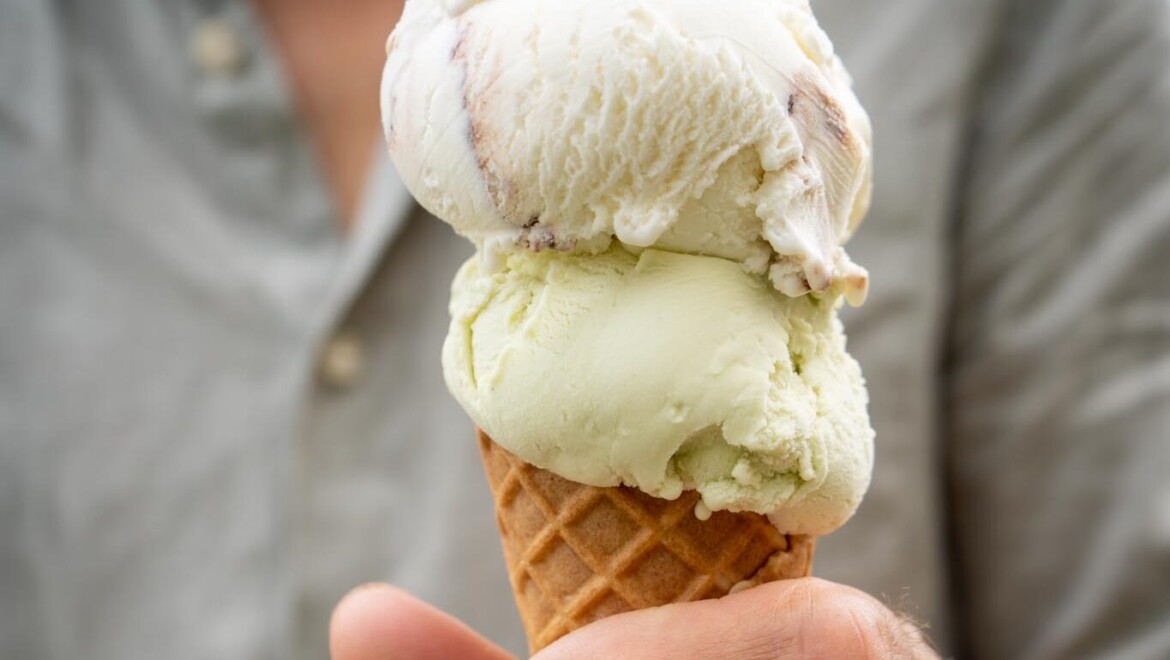
54 flavors of ice cream in Hjortkvarn
If you visit Björnhammaren, you can also stop by the neighboring town of Hjortkvarn and enjoy some ice cream at the Gó Glass ice cream parlor. At the village’s main tourist attraction, the line often winds far beyond the entrance. Here, you can choose from more than fifty ice cream flavors.
Please note!
Björnhammaren has an interesting history and should be treated with respect. Feel free to visit the village, but keep in mind that all houses, even the empty ones, are private property. So whether someone lives in the house or not, you should act as if the house were occupied. You need the owner’s permission to enter the house or walk on the property. svt.se has helpful information on what to keep in mind if you visit an abandoned house or similar property.
Want to read more fascinating stories? Here you can read about Sweden’s best-preserved historic crematorium.
More history reading.
Borgen – a historic hotel in Örebro
Wadköping's wooden neighborhoods are bustling with life