


It all began in Örebro. Chemist Harry Roberts had just returned from studying in Germany. In his luggage, he carried a treasure: a recipe for non-alcoholic Christmas beer. His father, Robert Roberts, was absolutely delighted. As a temperance advocate, he had long been searching for an alternative to all the beer that flowed at Swedish Christmas tables. In 1910, the two of them started a brewery, and later that same year, Roberts launched his Christmas beer—a sparkling soft drink, despite its name.
Sales were sluggish. Another of Robert’s products, however, sold much better: Champis, a soft drink marketed as an alternative to champagne. And the family’s non-alcoholic Christmas beer had to wait its turn, because in 1922 the Swedes held a referendum on a total ban on alcohol. The result was a narrow “no,” but the debate over Swedes’ alcohol consumption continued. A few years later, Systembolaget was founded, and alcohol consumption became increasingly regulated.
Instead, Christmas beer became a must—and a staple of the Swedish Christmas table. Sales skyrocketed, and the bubbly beverage has held a firm grip on Swedes’ Christmas traditions ever since. The beer flows freely from breweries across the country. But Örebro still plays an important role.

The secret ingredients in Christmas soda
Roberts is still around. And in the small factory on Aspholmen in Örebro, production continues of the extract that nearly all breweries use today. If you think different brands of wort taste different, it’s entirely due to the manufacturing process, the water, and how much sugar has been added. The basic flavor itself is the same. But what does it actually taste like? Malt and hops are two ingredients. Fruit and berries are included, but what else?
Yes, that's right. Only a few people know it exactly. One of them is Göran Roberts, the grandson of Harry, the inventor of the must, and a former CEO. The recipe is kept under lock and key and is only brought out during quality checks. But Göran knows it by heart.
One thing that’s definitely in Christmas mulled wine is orange. Or rather, the orange oil found in the peel. And the people of Örebro knew that back in the 1930s. When it was time to peel the oranges, a banner was hung across Drottninggatan: “Orange peeling in progress.” Then anyone could pop into Robert’s former premises just behind St. Nicholas Church and pick up cheap, pre-peeled oranges.
Must year-round and aged varieties
In recent years, Christmas must has evolved. Aged Christmas must has become a delicacy, and attempts have been made to market the drink throughout the rest of the year as well. Summer must for Midsummer never caught on. Perhaps the slightly less sugary Winter must, which appeared on store shelves a couple of years ago, will fare better.
Easter has also made the drink its own. Things have gone better here, and Easter must is now almost as much of a must-have as its Christmas-labeled cousin. But what’s the real story? Are Easter and Christmas must the same thing? “Yes,” many claim. “It’s just the aging process and water quality that make the difference.” Others argue that the recipes are actually different.
Göran Roberts just smiles when asked. He, of all people, should know. The rest of us are left in the dark. All while sipping on a glass of Christmas soda. Made in Örebro.
More food and drinks from Örebro.
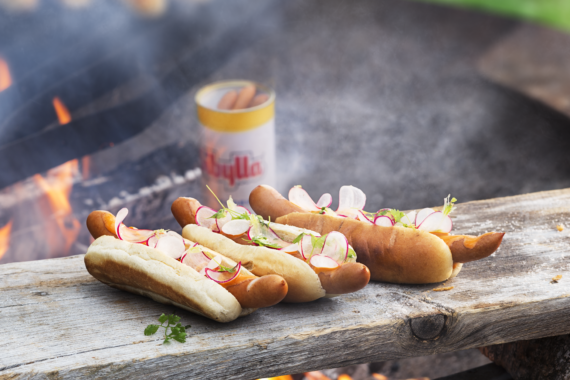
Local sausages have put Närke on the sausage map
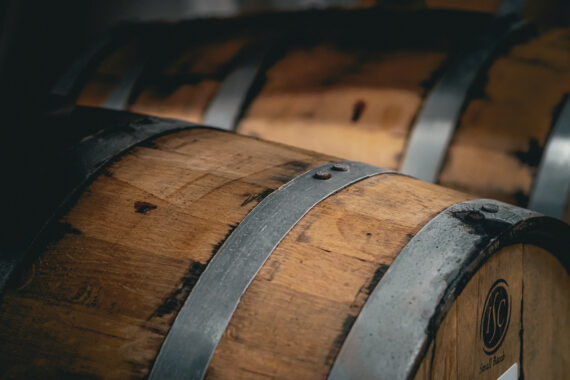
Farm-direct sales of local beverages in Örebro
