The story behind the sausage landscape
It’s easy to think that sausage has been a staple on Swedish dining tables since time immemorial. But the word, which comes from the Icelandic “kurfur,” meaning “bent piece,” first appeared in Swedish in the 1500s. People slaughtered animals at home on their farms, and each region had its own varieties of sausage. Sausage was the food of farmers and laborers. It wasn’t until the late 1800s that it found its way into the homes of the upper classes and became a staple of the Swedish smörgåsbord.
There is a reason why Närke became a region known for its sausages. The fertile soil was well-suited for large-scale farming. At the same time, the miners in Bergslagen needed supplies of grain and meat. And sausages.
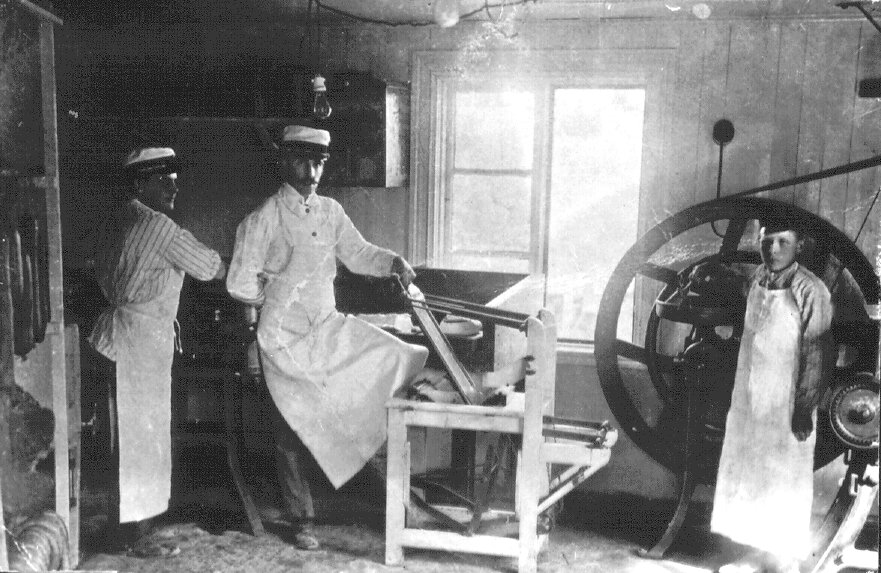
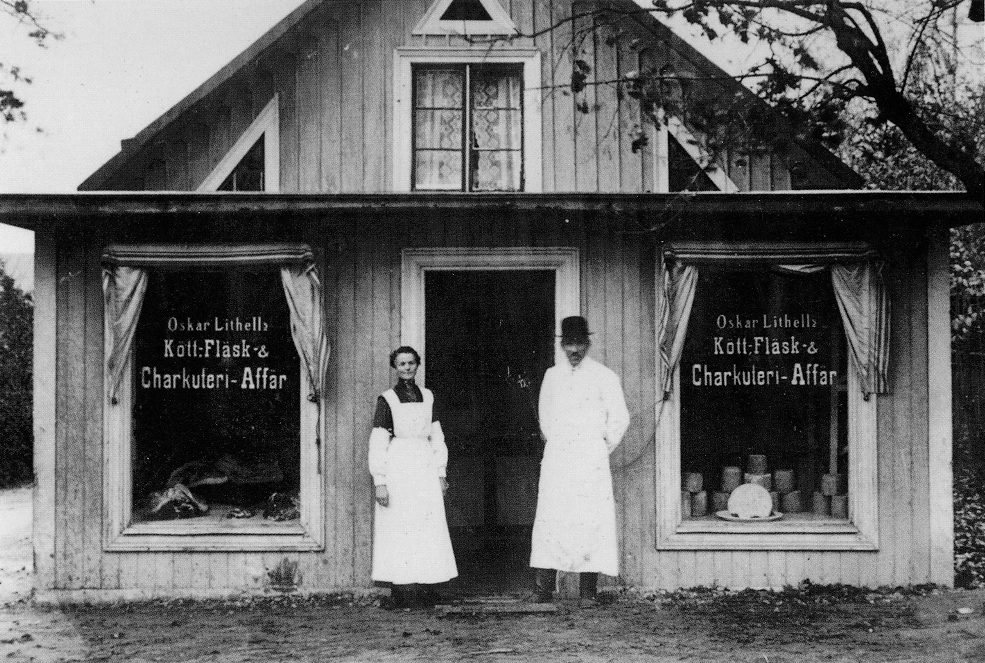
So perhaps it wasn’t so surprising that young Oskar Lithell decided that sausages were his path to success. With 75 kronor as start-up capital, he began making sausages in a basement in Kumla in 1907. Unfortunately, his business acumen wasn’t quite as sharp as his culinary skills. When his son Daniel took over twenty-five years later, the business needed a boost. A sausage boost. And what could be better than creating a true “people’s sausage”?
Royal hot dogs for the people
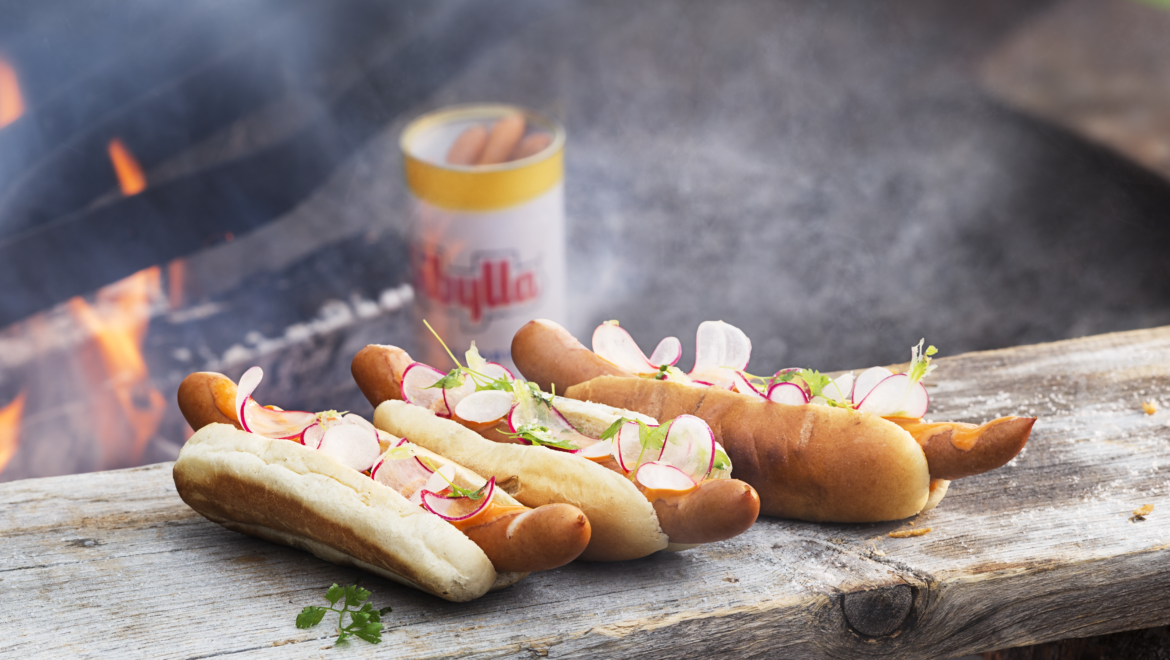
In Stockholm, the beloved Crown Prince had just married his Sibylla. Daniel had a flash of inspiration. Perhaps a hot dog with the same name could be just as popular as the young Crown Princess?
The rest is history. Sibylla became both a sausage and a food truck. What the royal court thought of the princess’s name being spread far and wide in the form of a sausage has never been revealed. But the fact that Lithells never became a purveyor to the royal court might offer a clue.
But the Swedes loved the sausage, and business was booming. In 1956, Lithells moved to Sköllersta, where the factory is still located today. The factory outlet is located at the entrance and is one of the most popular attractions in Sydnärke.
Robertson's Deli
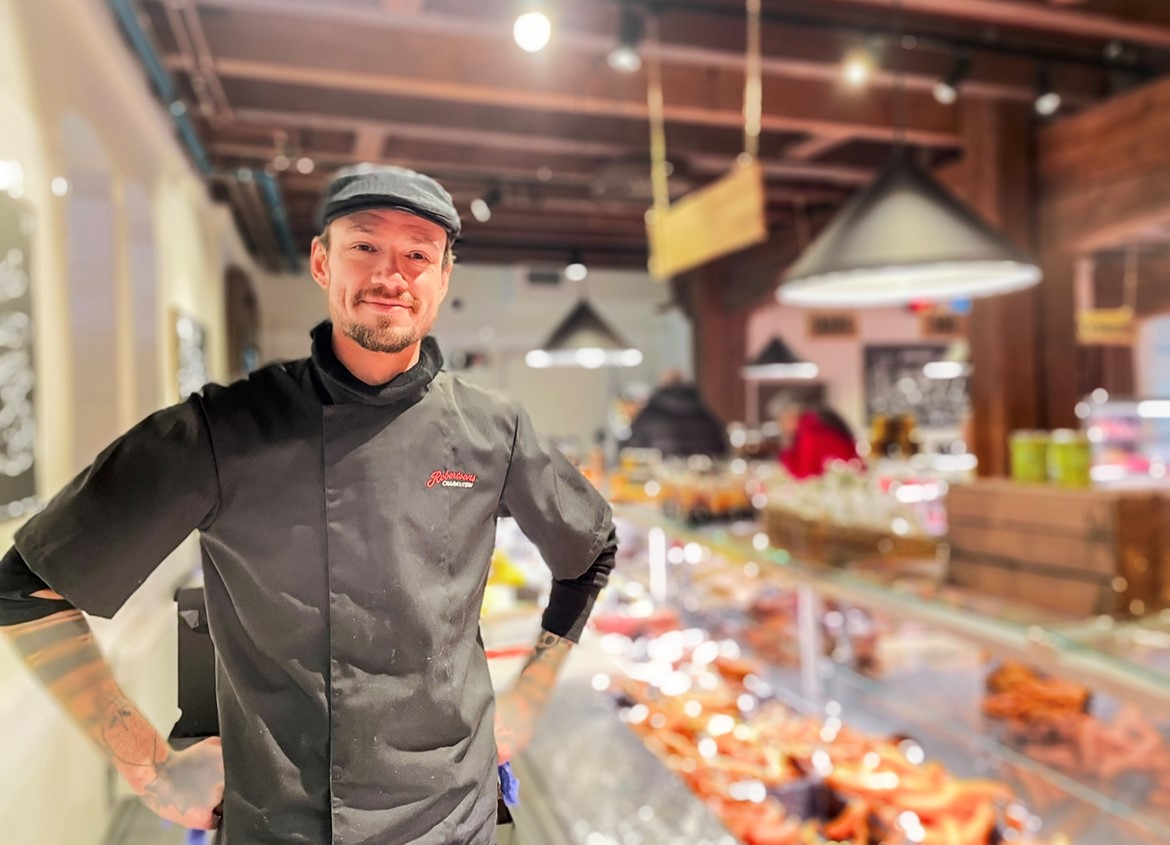
Although Lithells is the largest, it is not the only star in the Närke sausage scene. In Örebro, Robertsons Charkuteri was founded by Einar Robertson in 1929. Today, the company is based in Aspholmen, Örebro, where it also operates a well-visited and well-stocked deli. Robertson has opened another store on Hamnplan in Örebro—which, of course, reinforces Närke’s position as one of the strongest strongholds of Swedish sausage.
A local tip for all hot dog lovers
Wild Sausage from the Village. That’s the name of the company in Närkesberg that both hunts and makes its own sausages. Here they produce beer sausages, grilled sausages, and wurst—all made from wild boar.
Learn more about Vilda Korven on their website and follow them on Instagram.
Learn more about Örebro’s local flavors
Here are Örebro's gems in the White Guide