


The Great Bridge and Vasa Castle in the heart of Örebro
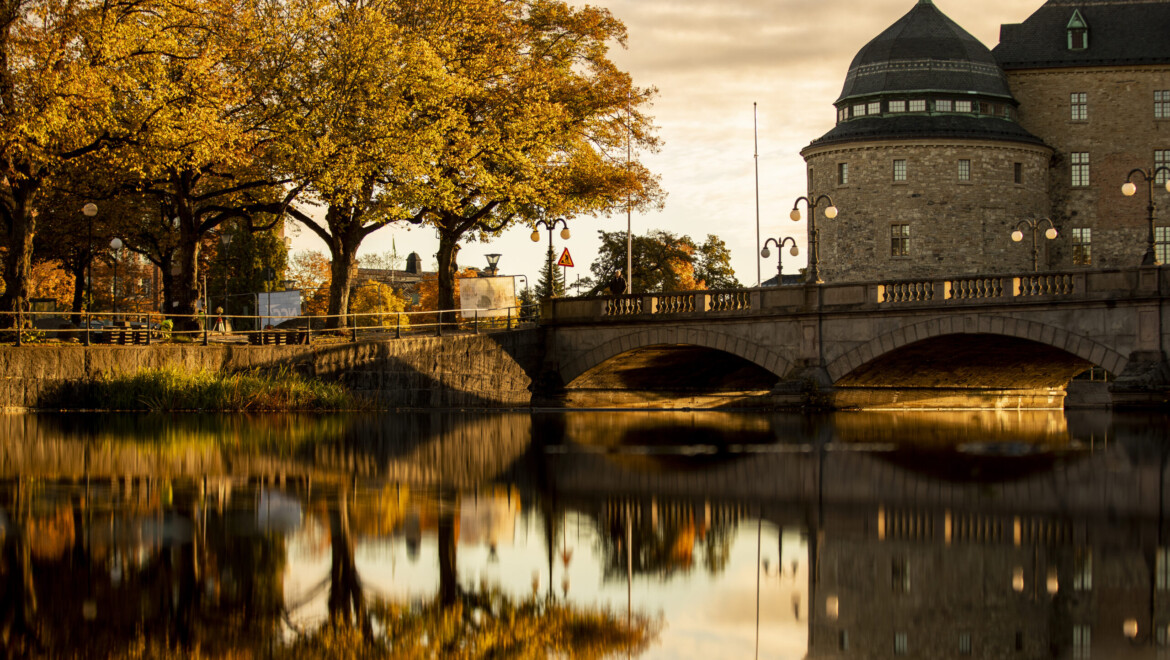
Start in the heart of the city and feel the breath of history on a walk across Storbron. As early as the Middle Ages, there was a bridge here spanning the natural ford across the Svartån River, which also gave the city its name—“the bridge over the gravel”—Örebro.
We probably don’t even need to mention that the castle is right next door. The castle stands majestically on its island, with the dark waters of the Svartån swirling all around it. For 700 years, the castle has stood here, watching over the city, though in many different forms. The castle acquired its current appearance during a renovation in the late 1800s, when all the facade plaster was knocked down to expose the raw limestone and recreate a Renaissance castle in the true spirit of historical romanticism.
Right here on Storbron, with a view of the castle, is also Örebro’s best spot for selfies. Be sure to snap a photo of yourself, too!
The Royal Church and Sweden's longest square
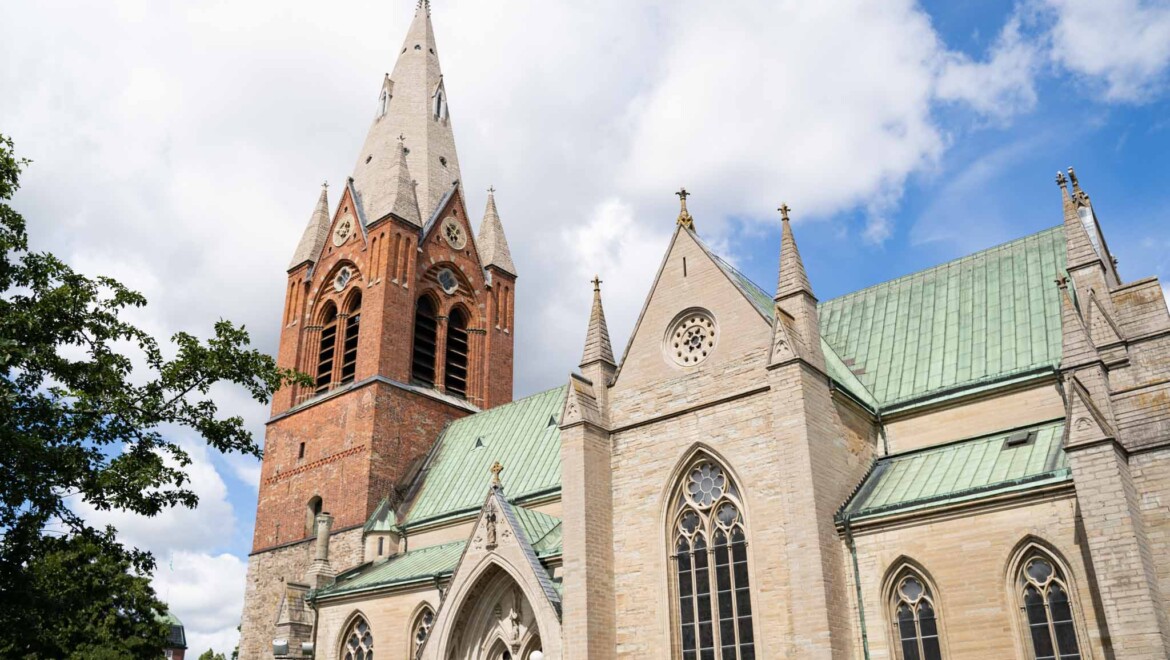
Continue your two-hour walk in Örebro to St. Nicolai Church. The church is as old as the city itself, and it was here that the first Bernadotte king, Charles XIV John, was elected. The church is located at one end of Stortorget, which, at 362 meters, is one of Sweden’s longest squares. In the summer, the square is teeming with outdoor dining spots, but it has served many different purposes over the years. In the 1800s, for example, the lower part of the square served as a garden for the city’s medicinal plants.
A town hall to be proud of and a mighty castle in Väsa
When you stand in Stortorget, you have a great view of City Hall. It was built in the mid-1800s and is the only city hall in Sweden built in the Neo-Gothic style. If you think it resembles another famous building, you’re right! The Parliament building in London was built in the same style.
When King Karl XV inspected the new town hall, he is said to have exclaimed: “Oh, my, Örebro! Don’t get carried away, you weaklings!” By this he meant that a small town like Örebro (“the weaklings”) shouldn’t get carried away in this way.
Continue your walk to Örebro Castle, this magnificent Vasa-era fortress that was built as a defensive stronghold as early as the 14th century. The castle is open daily during the summer, offering guided tours and exhibitions. The rest of the year, the castle is open on weekends and during school breaks.
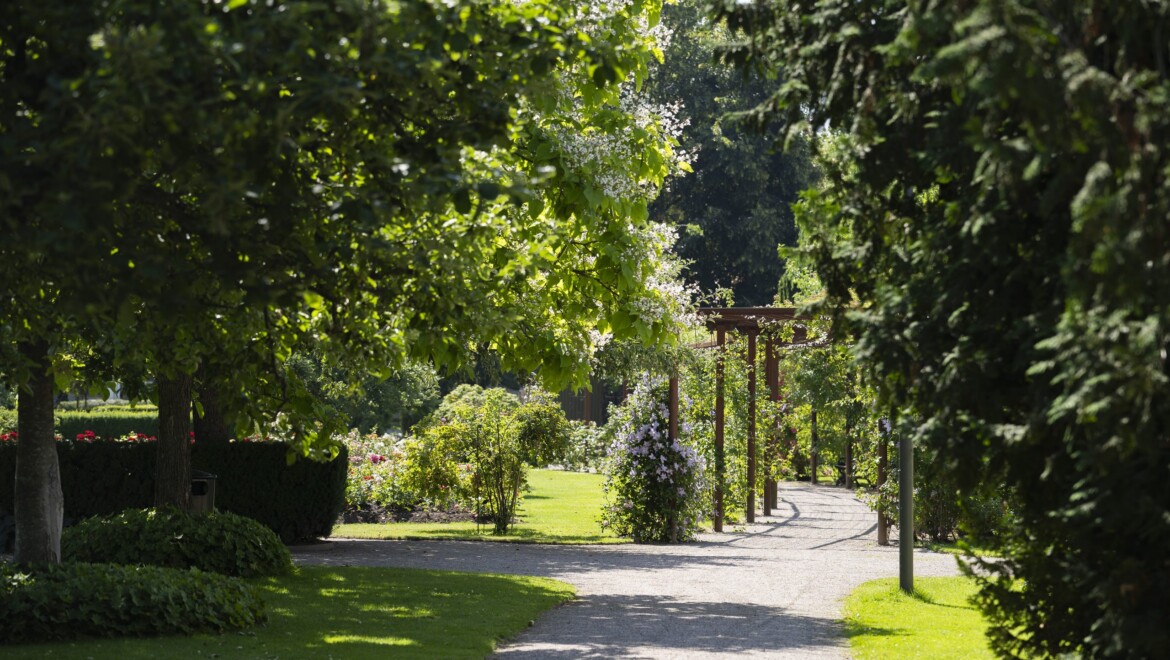
Leave the city’s most central areas behind and follow the Svartån River downstream. Soon you’ll reach Stadsparken, which has been named Sweden’s most beautiful park—and even Europe’s fifth most beautiful park!
A cozy coffee break with refills at the open-air museum
Just a stone’s throw away lies an entire neighborhood of small, red houses and the occasional larger wooden building. This is the Wadköping Open-Air Museum, where you can get a sense of Örebro in days gone by. The neighborhood is named after the setting where author Hjalmar Bergman grew up, which is primarily depicted in his novel “Markurells in Wadköping.”
Be sure to stop for a coffee break in Wadköping. There’s both a restaurant and a café here that are open year-round. Enjoy a freshly baked bun and coffee with a refill before strolling back to Stortorget.
Discover more of Örebro.
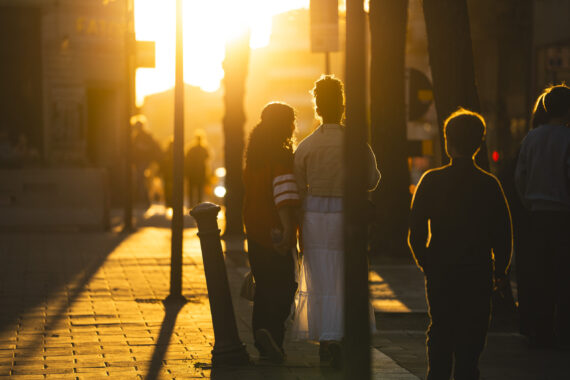
Örebro's beautiful city center is bustling with life
Entertainment and Culture – Örebro has something for everyone
